AI tools · WeChat cover · potential 84 · Machine-translated
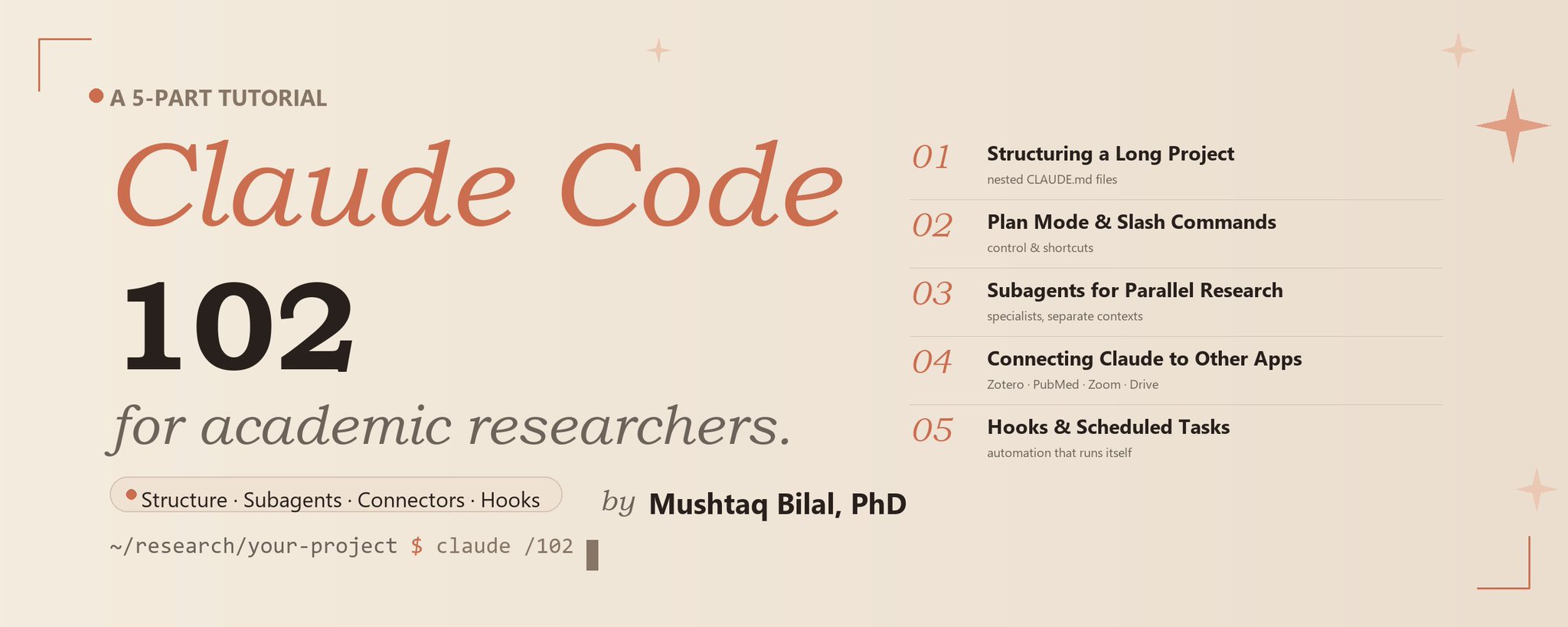
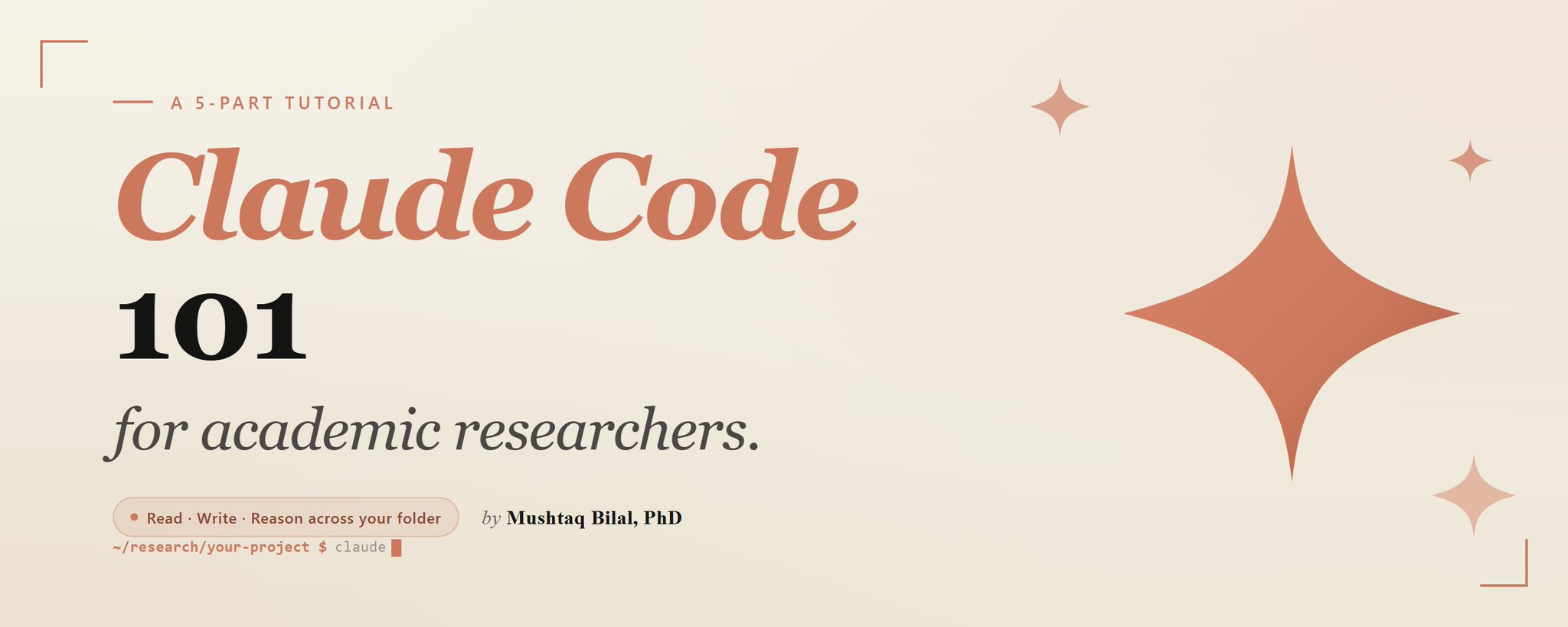
Claude Code 102 Advanced Guide for Academic Researchers
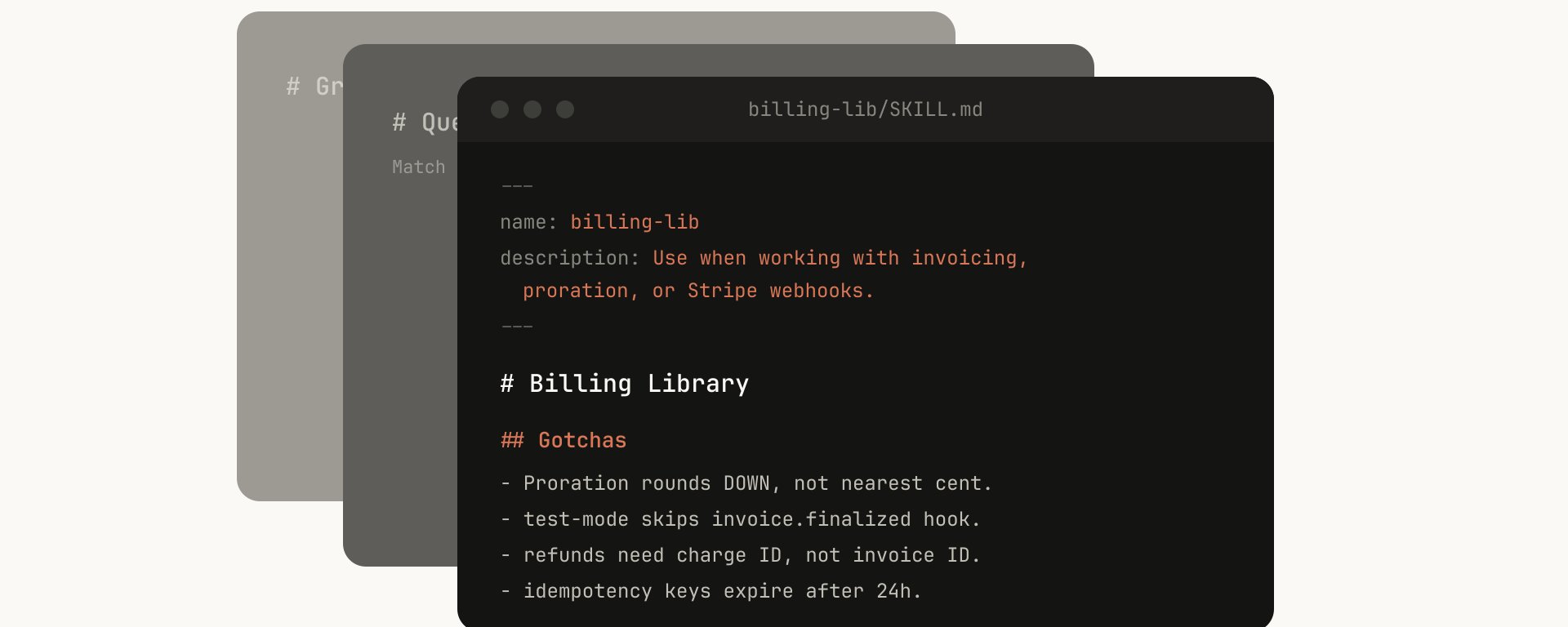
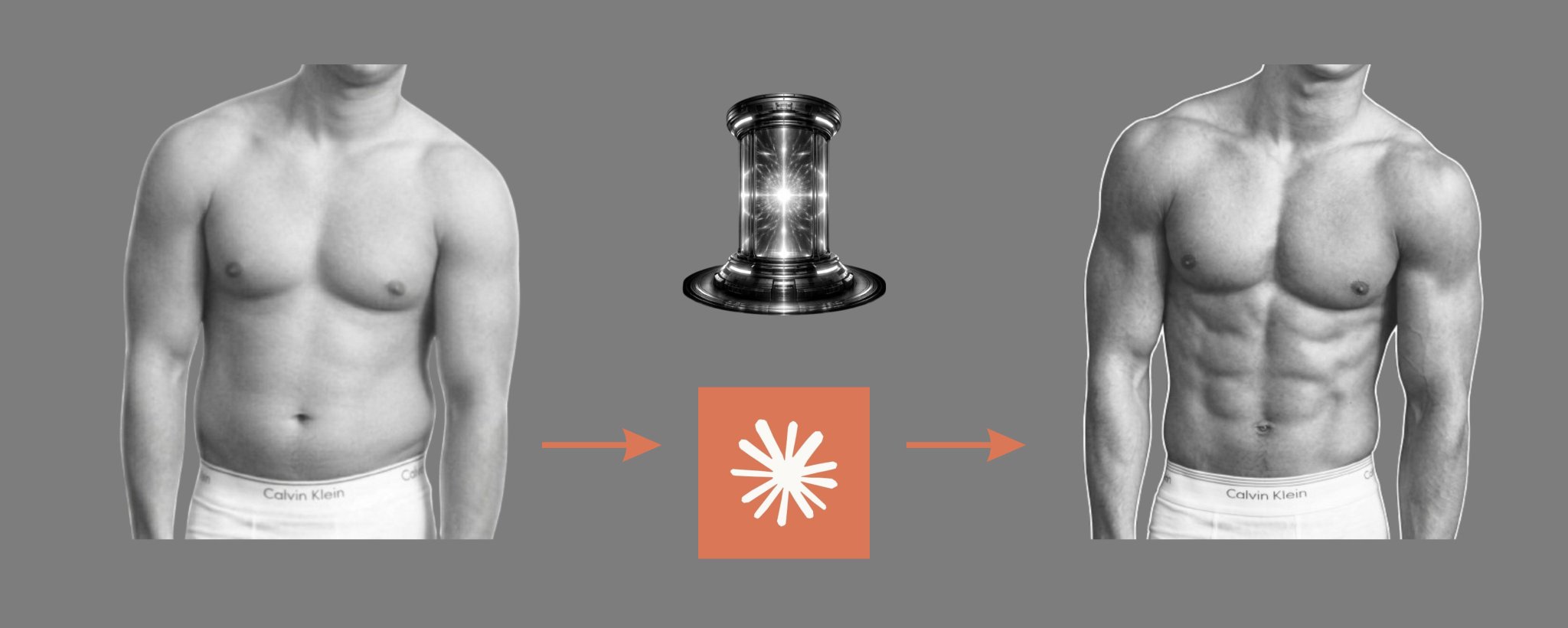
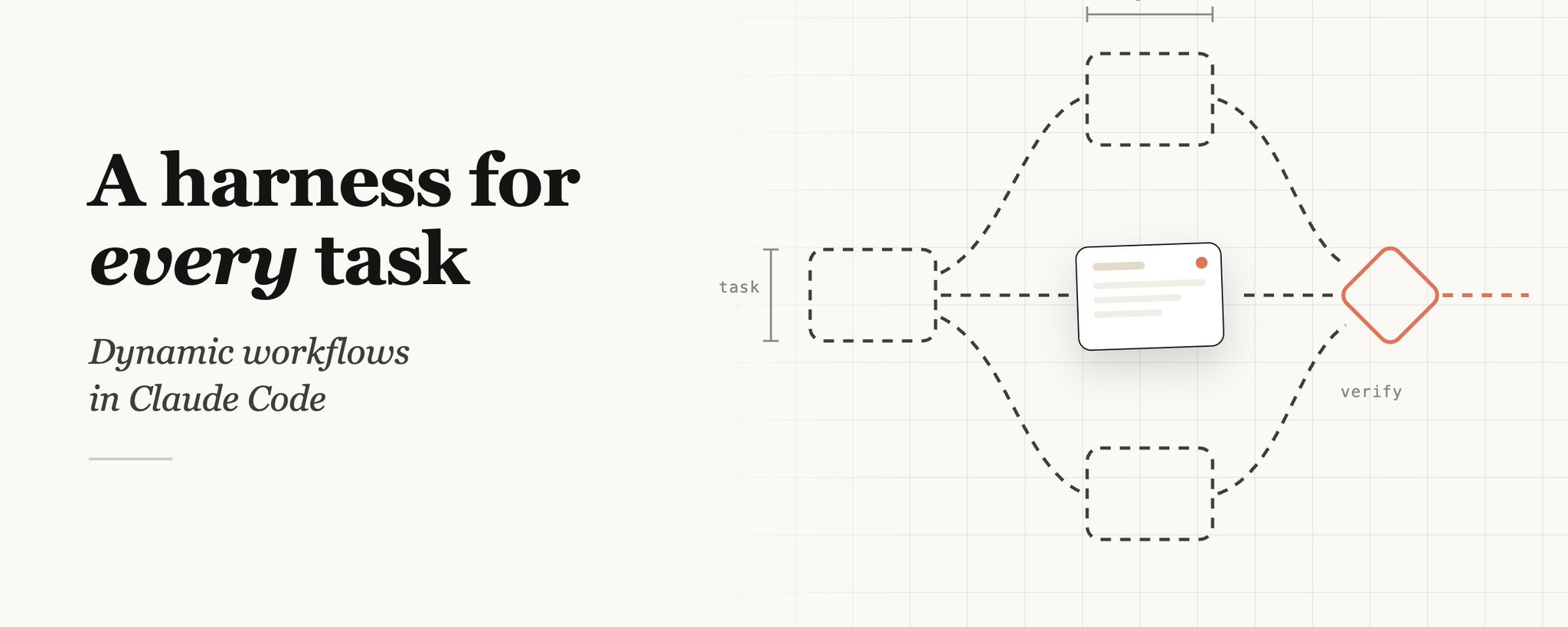
Put the cover under the lamp. Each of the five things that made it work is a layer you can switch on: the words, the grid it sits on, the colours it uses, the subject, the light.
Verbatim. Copy it, or let Queenie swap in your own details.
Please generate a new horizontal WeChat public-account cover based on the reference cover's composition, visual metaphor, and WeChat thumbnail readability. Output size: 1456x582, ratio about 2.5:1; the core subject and essential title information should also work within the safe square crop for WeChat public accounts. WeChat article title: {填写公众号文章标题} Intro: {填写简介} Original cover method: ClaudeCode102 advanced guide for academic researchers style dual-skill Create a horizontal WeChat public-account article cover, 2.35:1 aspect ratio, for an article titled "Claude Code 102 Advanced Guide for Academic Researchers". Central concept: 把抽象工具能力可视化为界面窗口、代码片段、节点网络、操作台、AI 工作流或发光的系统核心。 Style: preserve the reference cover's visual direction: 浅底极简信息图/产品幻灯片. Use a palette inspired by #ece0d1 (cream), #f0e5d6 (cream), #f1e7d9 (cream), #f4ebdd (cream). Keep the image editorial, conceptual, and readable as a small WeChat thumbnail. Composition: 留白多,适合大标题、少量图标和清晰的左文右图/中心标题布局。 Keep the main subject and any essential title text inside the safe square crop, while using the full wide frame for atmosphere, secondary symbols, or directional motion. Text strategy: use either no text or a very short headline fragment from the title. If text is used, make it large, clean, and integrated into the layout rather than pasted on top. Mood: match the article skill "面向学术研究人员的ClaudeCode102…风格双技能" -- useful, sharp, high-signal, and slightly more memorable than a normal tutorial thumbnail. Avoid: photorealistic clutter unless the source cover is photo-led, fake logos, unreadable tiny text, generic gradient blobs, stock-office imagery, watermark-like marks, and literal screenshots unless the article is explicitly about software interfaces.