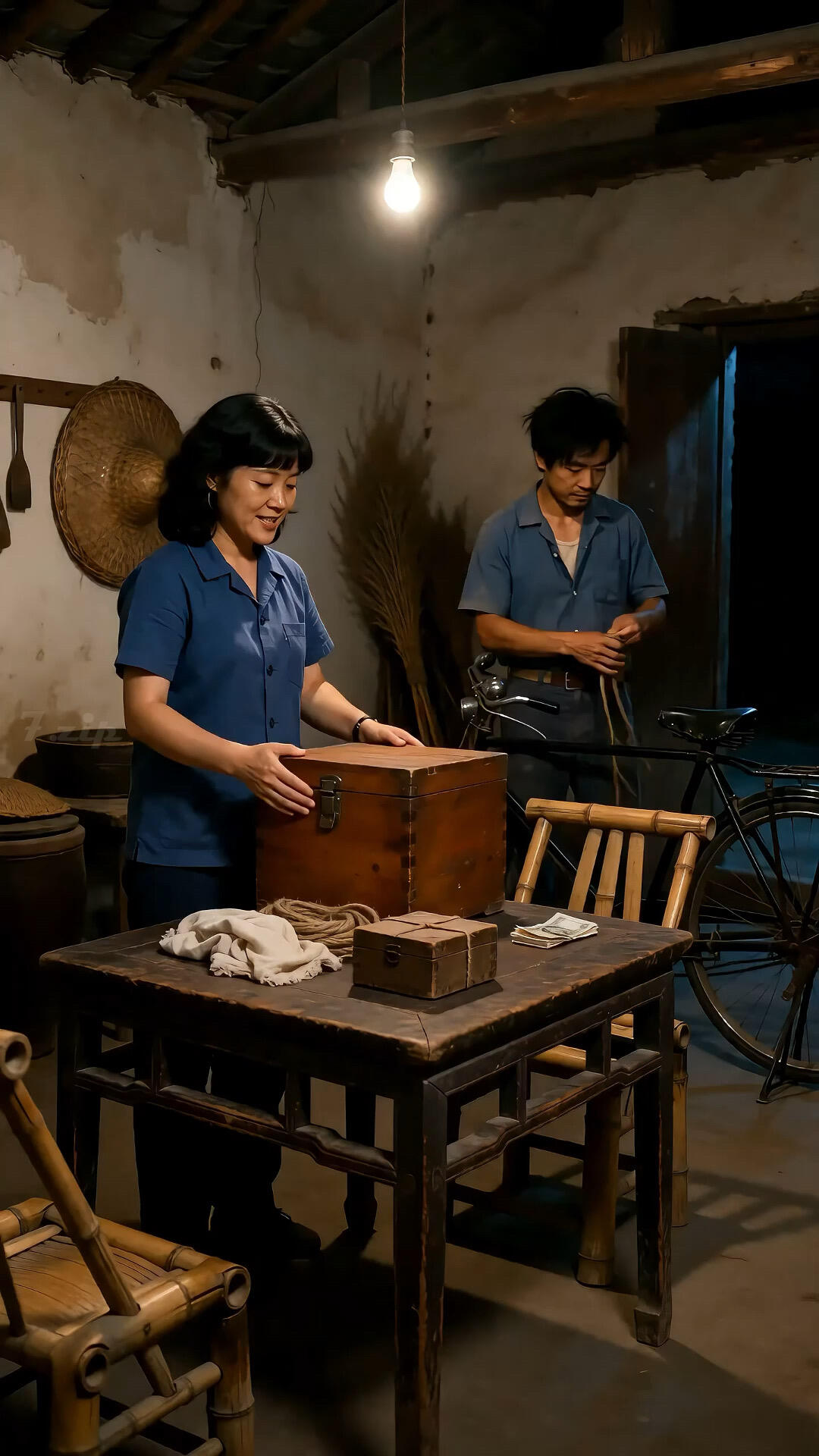
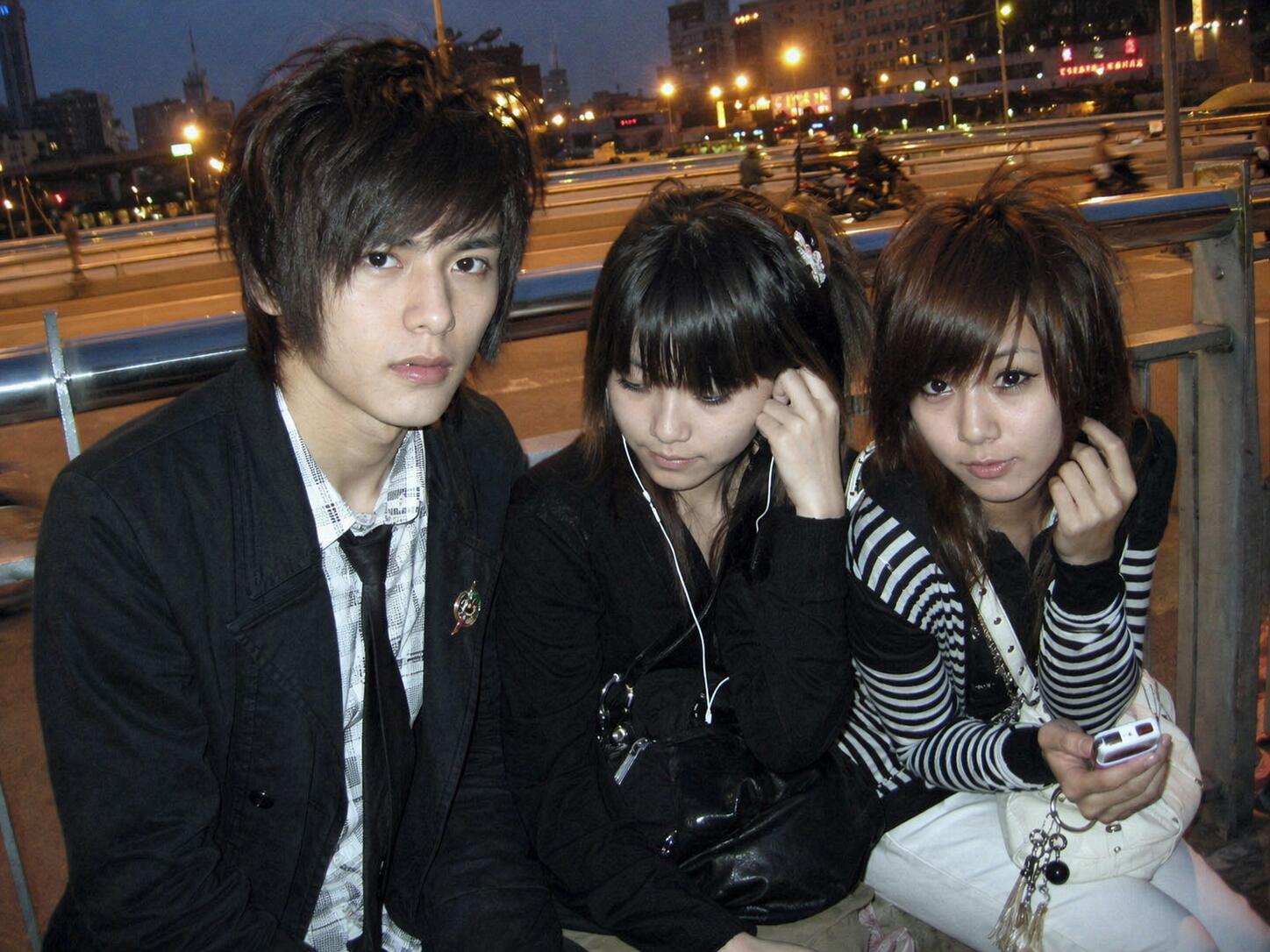
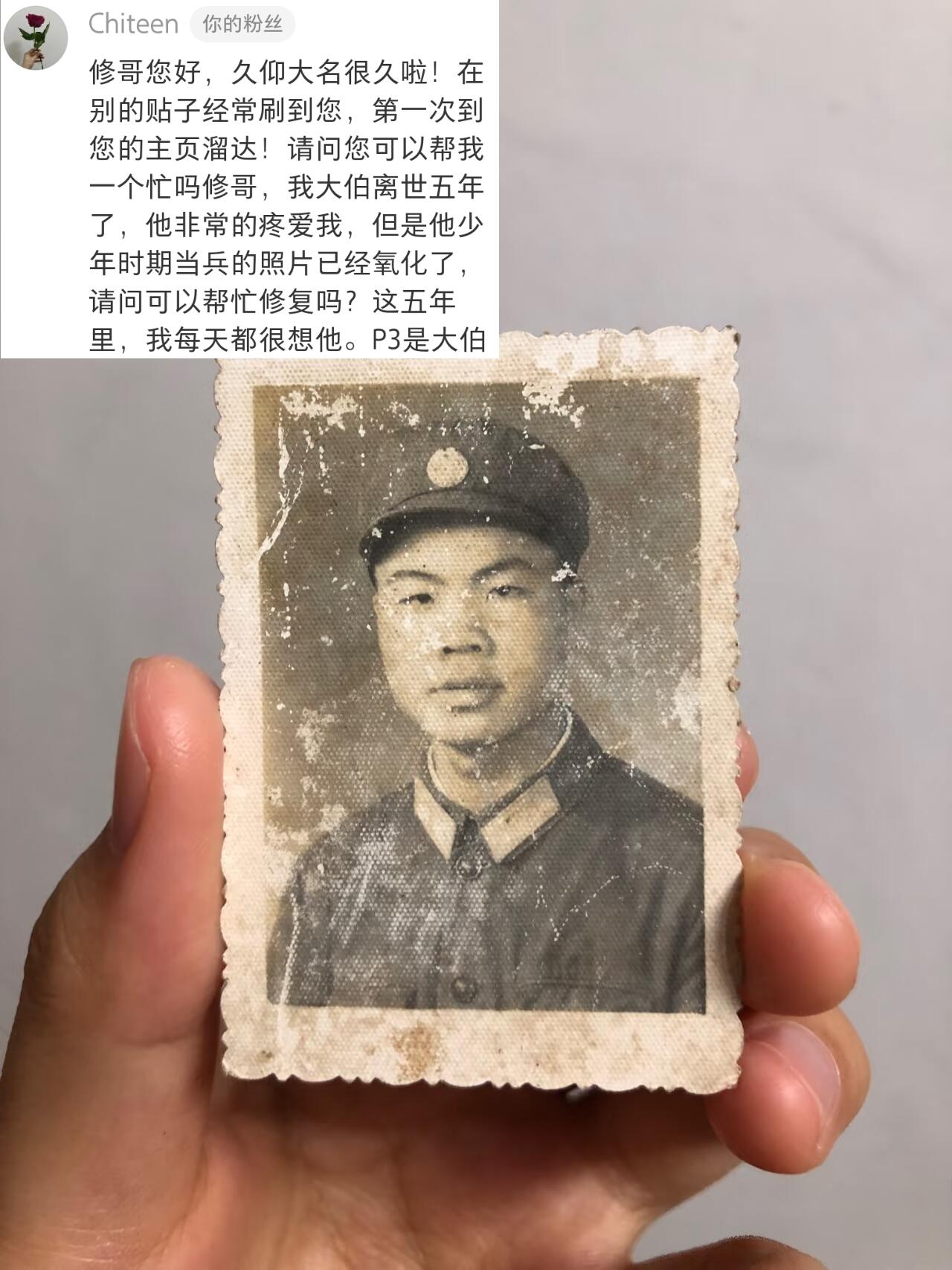
Put the cover under the lamp. Each of the five things that made it work is a layer you can switch on: the words, the grid it sits on, the colours it uses, the subject, the light.
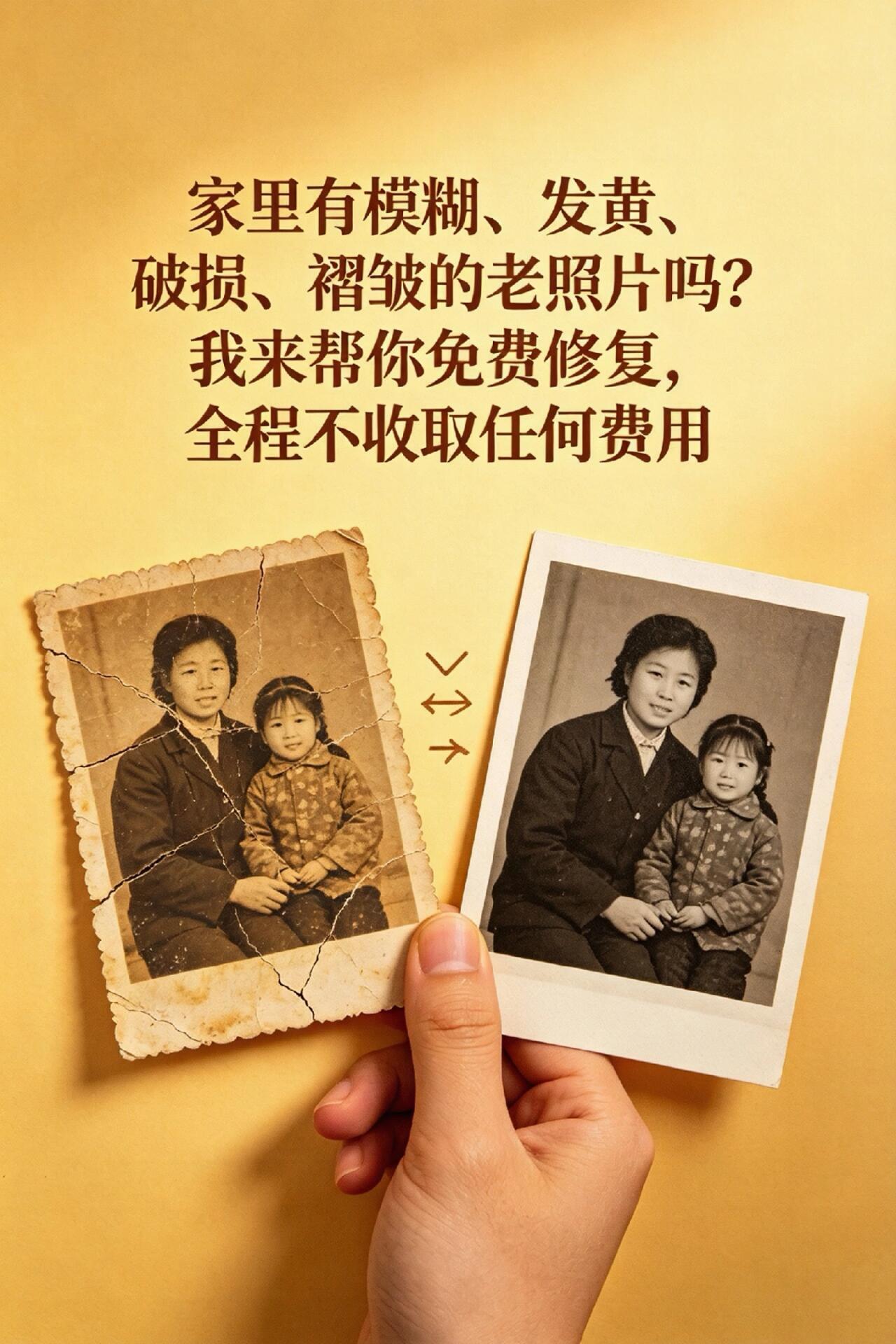
家里有模糊、发黄、破损、褶皱的老照片吗?. A single question lays out the four problems of old family photos at once, then throws in "free," making people immediately want to flip through their albums and see if it fits.
Text
家里有模糊、发黄、破损、褶皱的老照片吗?
Position
Centred at the top of the image, four lines in total
Size
About one quarter of the image height at the top
♥ 0 likes★ 0 saves↗ 0 shares
Posted by 浩宇 on Xiaohongshu, 29 Jun 2026. Shown with credit and a link back.
Keep all five layers and swap what’s under them: your shop, your budget, your city. You get four covers and the post text.
Verbatim. Copy it, or let Queenie swap in your own details.
Referencing the old-photo restoration approach, era texture, visual storytelling and publishing tone of the case study "Free Restoration of Old Photos," generate a new set of vintage old-photo image-text posts. New theme: {fill in the photo theme you want to restore, rebuild or recreate} Reference platform: Xiaohongshu Content direction: vintage old-photo image-text Creation method: keep the original case's nostalgic emotion, film/photo-paper texture, relationships between people, era atmosphere of the scene and restoration constraints; if it is photo restoration, it must stay faithful to the original image's identity, facial features, composition and historical context, avoiding excessive beautification, redrawing, false historical information and a modern digital plastic feel. Please output: 1. Cover title and subtitle; 2. A 6-9 page image-text script, each page containing a visual description, main copy, era/texture keywords and a save prompt; 3. Visual prompts that can be used directly for image generation or photo restoration, explaining requirements for people, scene, lighting, film grain, damage repair and colour restoration; 4. Publishing suggestions: title length, tags, image ratio and platform tone. Constraints: do not replicate the original author, original people or brand logos; do not fabricate historical facts; when real people's photos are involved, prioritise preserving identity consistency, and do not make them younger, beautify, slim the face or rewrite facial features.