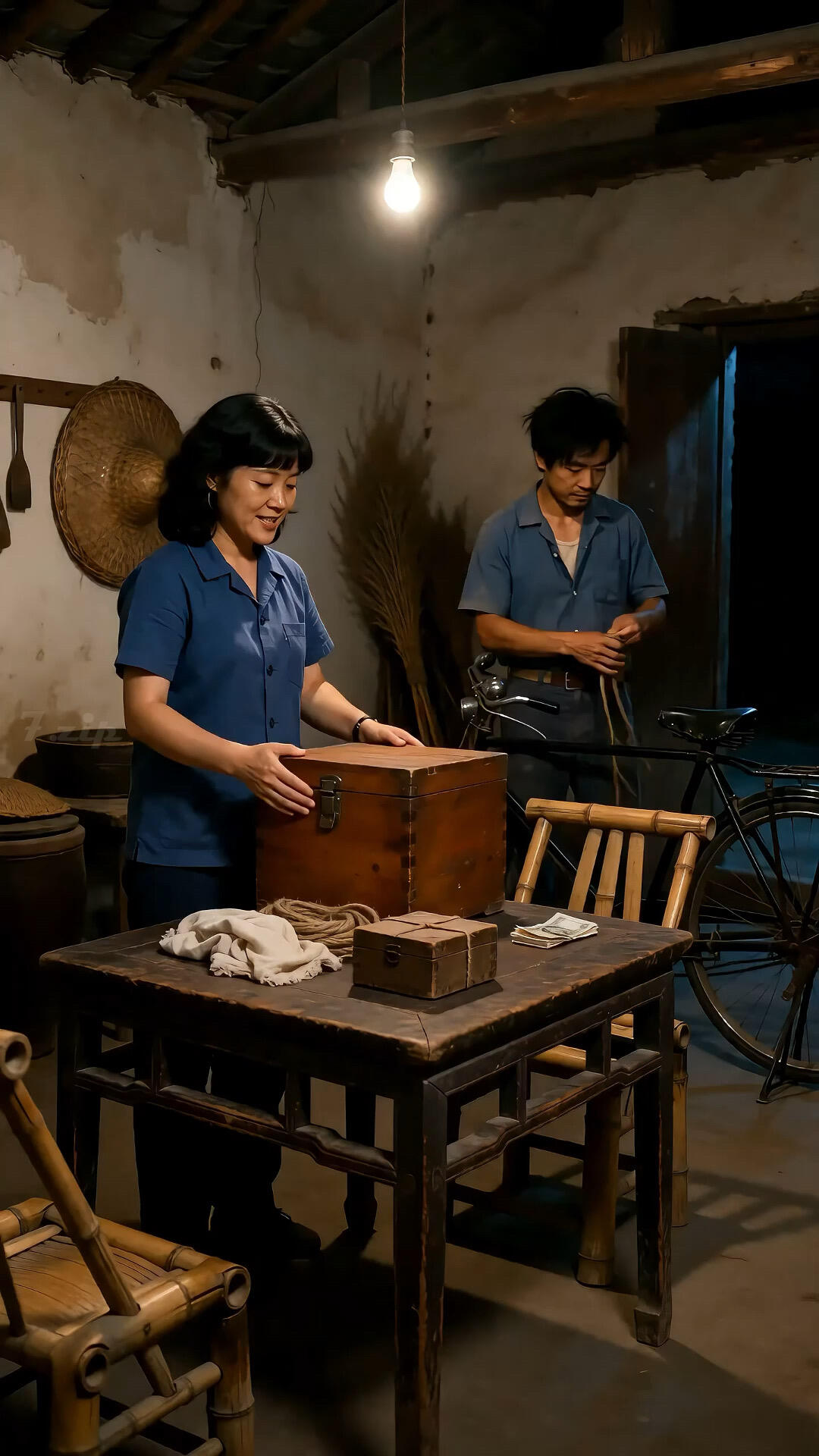
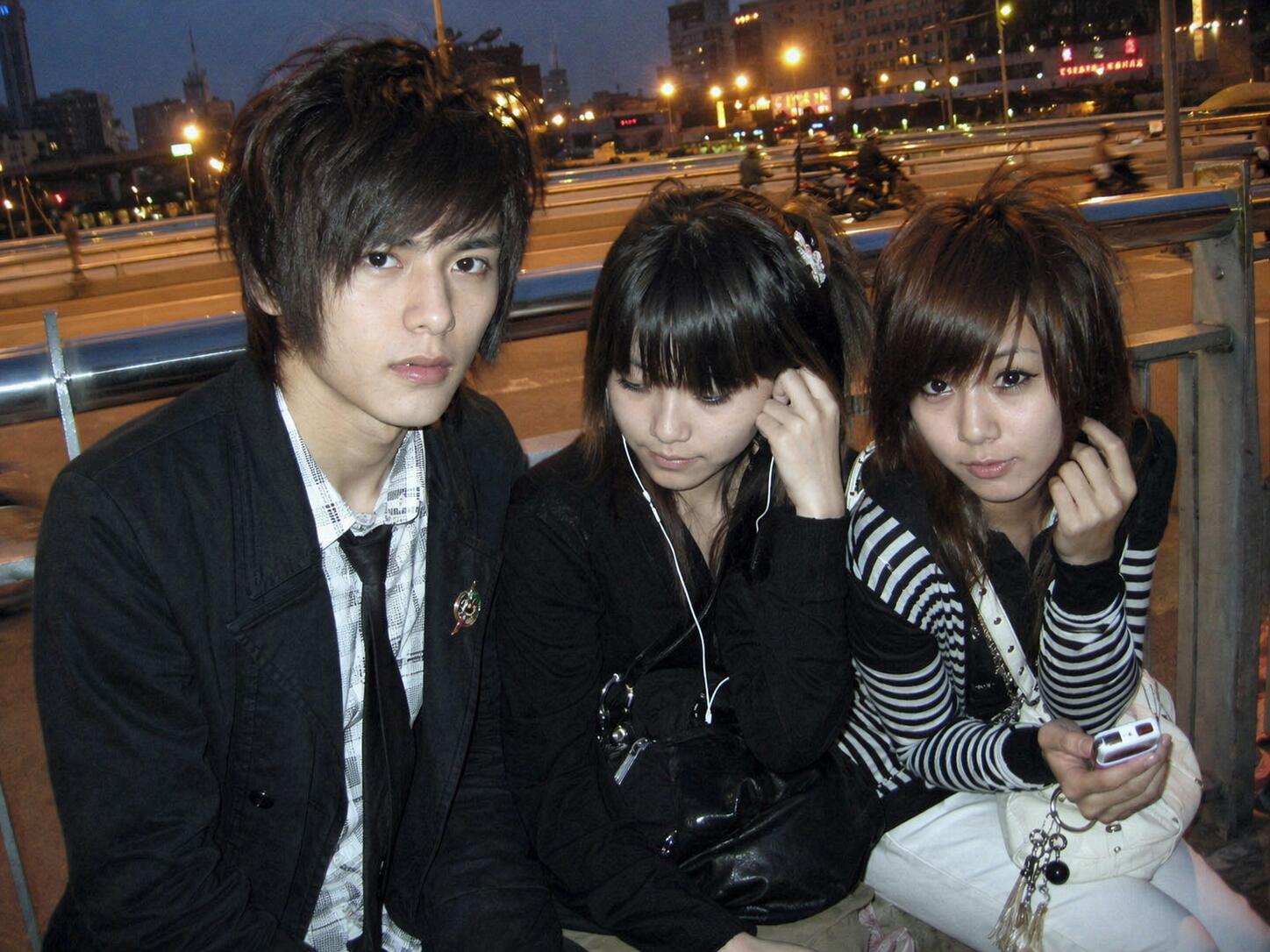
Put the cover under the lamp. Each of the five things that made it work is a layer you can switch on: the words, the grid it sits on, the colours it uses, the subject, the light.
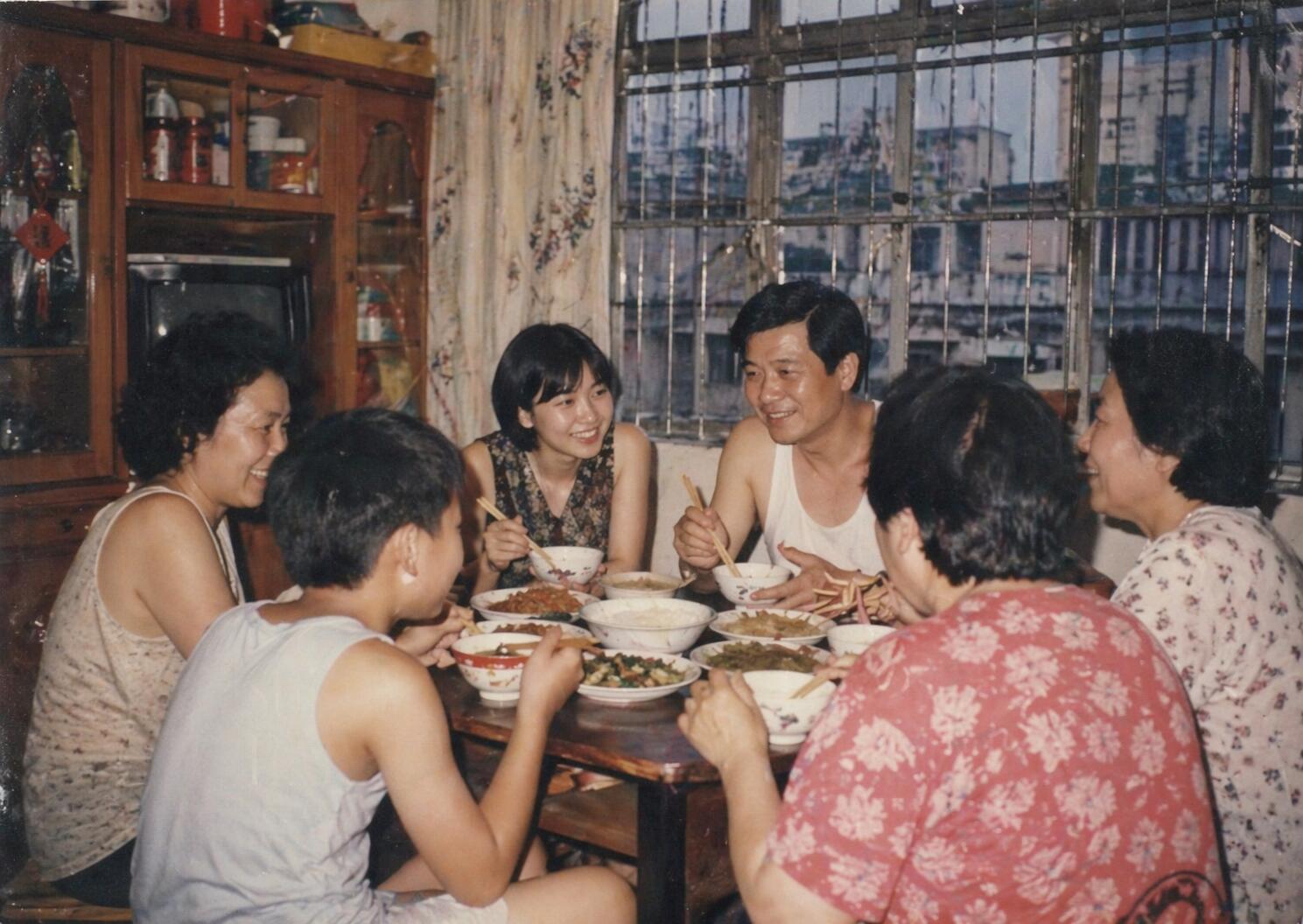
. There is no text on the image; it relies only on a table of home-style dishes and people sitting around it, making people think of their own old family photos at a glance.
Image text
None
Hook source
A table of dishes and people sitting around it
Position
Entire frame
♥ 15 likes★ 6 saves↗ 6 shares
Posted by 不上班真嗨森 on Xiaohongshu, 23 Apr 2026. Shown with credit and a link back.
Keep all five layers and swap what’s under them: your shop, your budget, your city. You get four covers and the post text.
Verbatim. Copy it, or let Queenie swap in your own details.
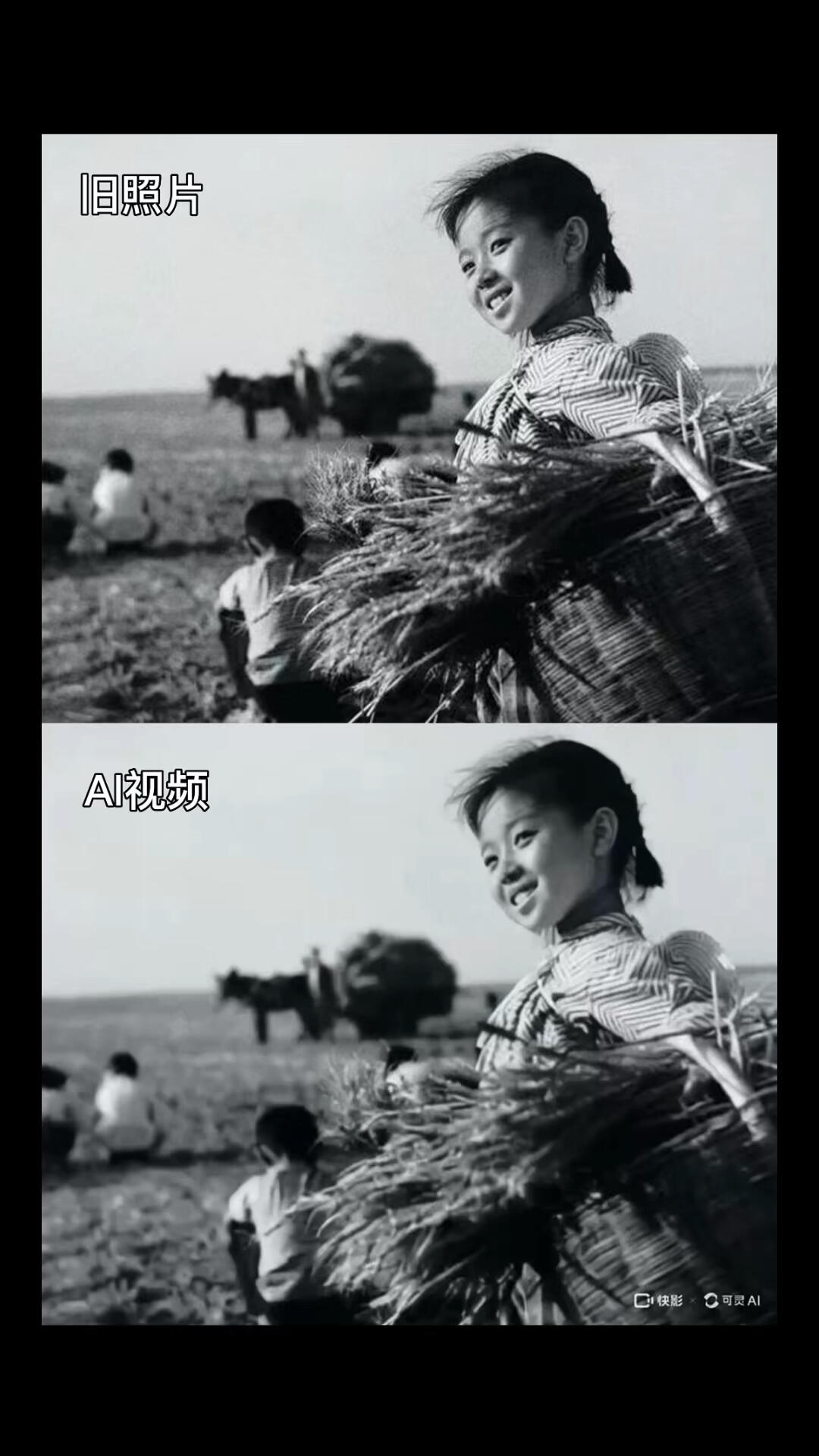
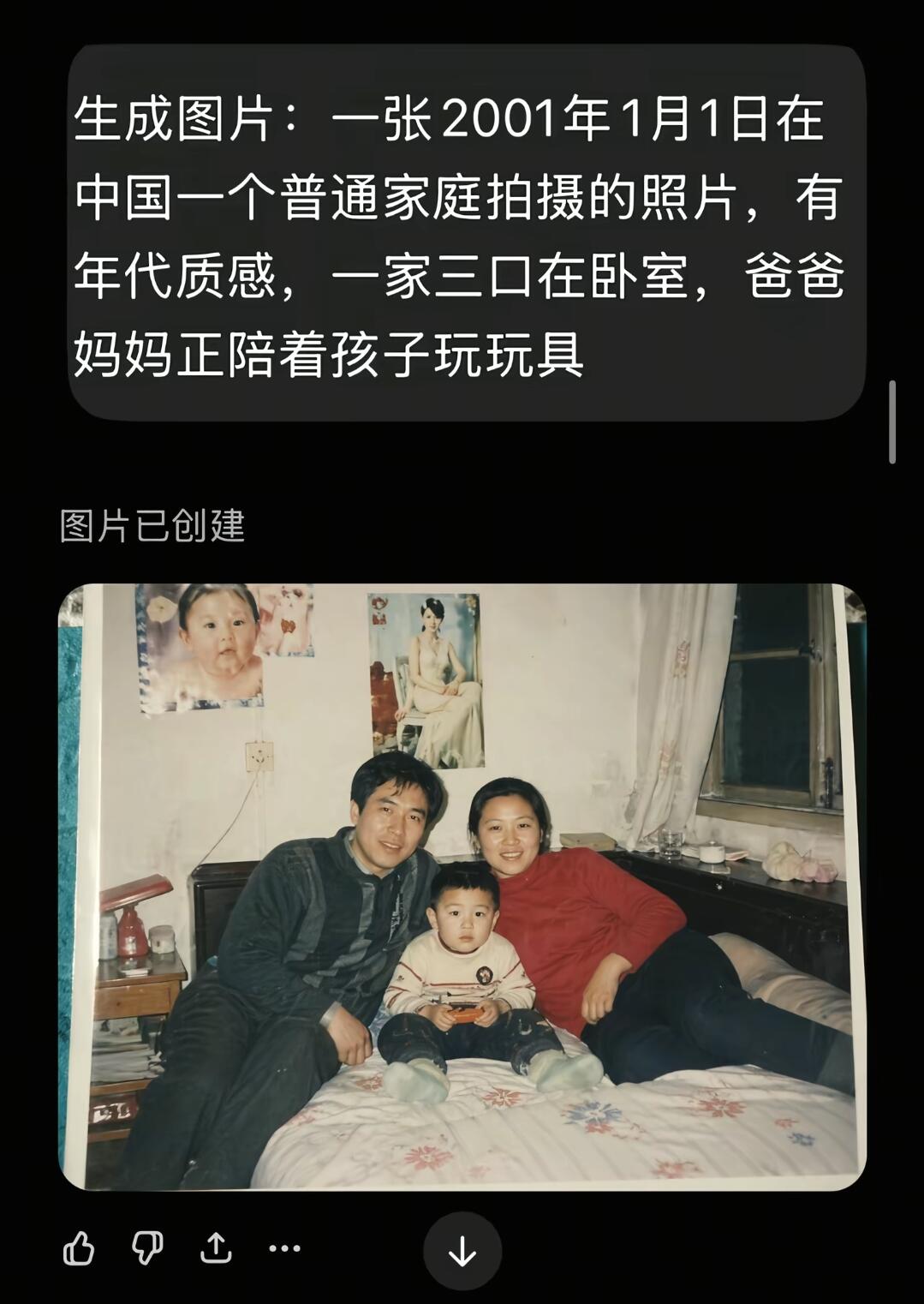
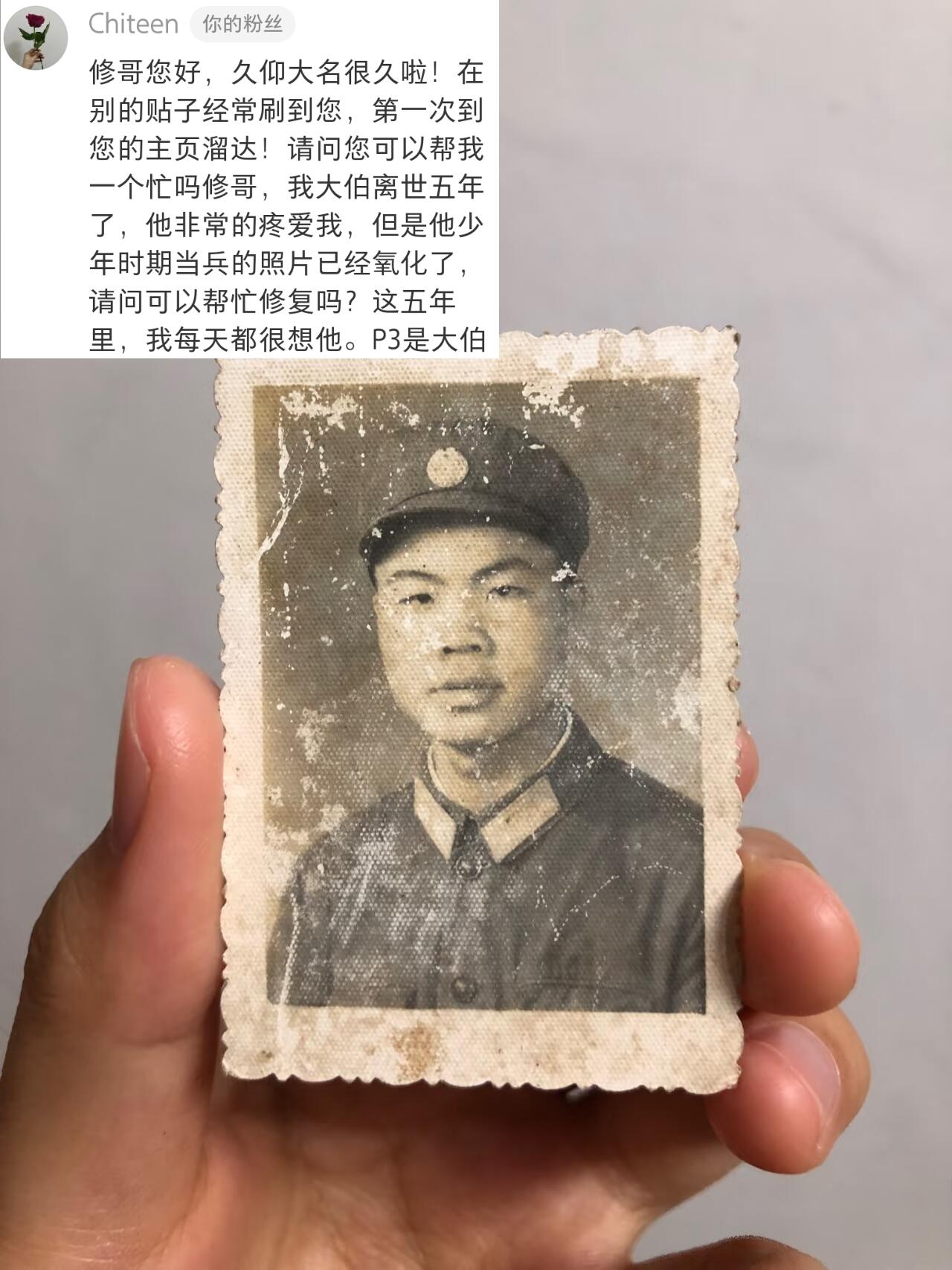
Referencing the old-photo restoration approach, era texture, visual storytelling, and posting tone of the case study "I'm Genuinely Shocked by How Good AI Is Now," generate a new set of retro old-photo image-text content. New topic: {fill in the photo topic you want to restore, rebuild, or recreate} Reference platform: Xiaohongshu Content direction: retro old-photo image-text Creation method: keep the nostalgic emotion, film/photo-paper texture, character relationships, period feel of the scene, and restoration constraints of the original case; if it is photo restoration, it must stay faithful to the original image's identity, facial features, composition, and historical context, avoiding excessive beautification, redrawing, false historical information, and a modern digital plastic look. Please output: 1. Cover title and subtitle; 2. A 6-9 page image-text script, each page including the visual description, main copy, era/texture keywords, and a save prompt; 3. Visual prompts that can be used directly for image generation or photo restoration, explaining the requirements for characters, scene, lighting, film grain, damage repair, and color restoration; 4. Posting suggestions: title length, tags, image ratio, and platform tone. Constraints: do not replicate the original author, original people, or brand logos; do not fabricate historical facts; when real people's photos are involved, prioritize identity consistency, and do not make them younger, beautify, slim the face, or rewrite facial features.