1Hook
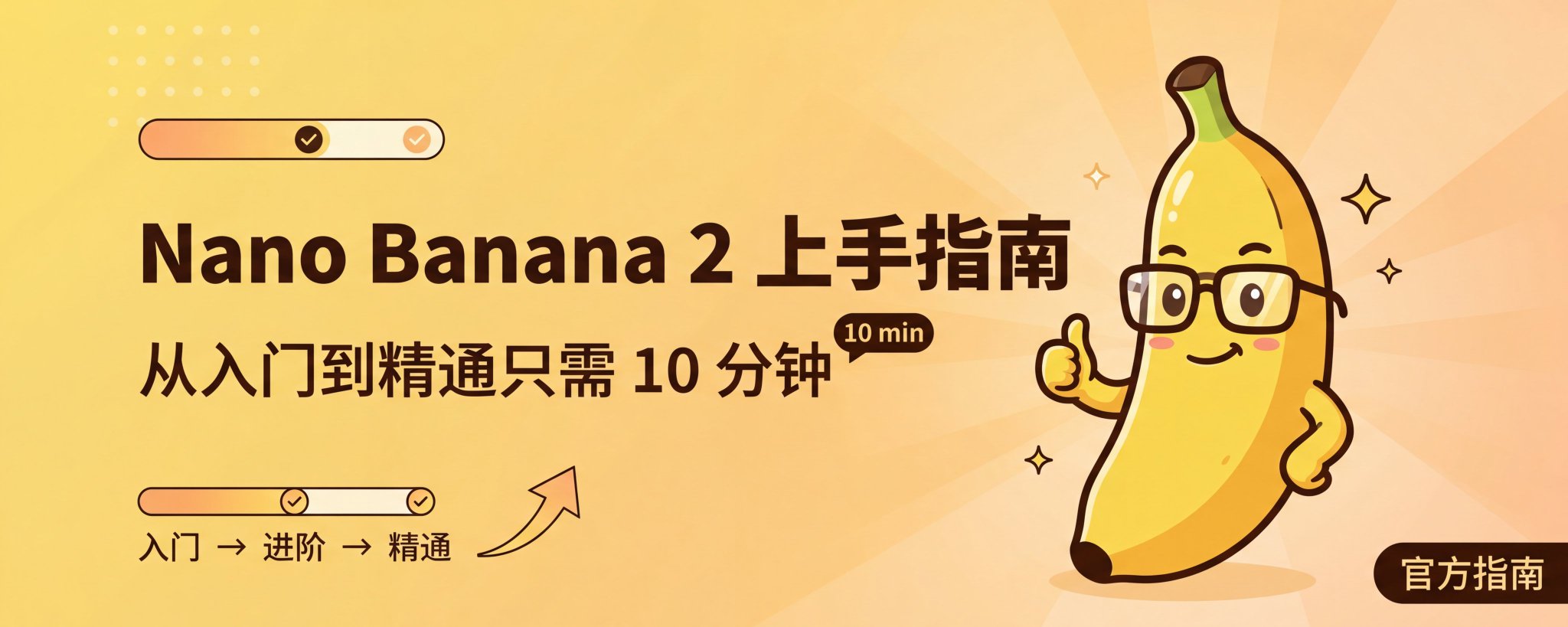
Nano Banana 2 上手指南. 品牌名加“上手指南”直接把工具名变成可立刻使用的承诺,扫一眼就知道能拿到操作步骤。
- 主标题
- Nano Banana 2 上手指南
- 副标题
- 从入门到精通只需 10 分钟
- 位置
- 画面左侧中部,两行左对齐
- 字体
- 粗黑无衬线,深棕色,副标略小
Put the cover under the lamp. Each of the five things that made it work is a layer you can switch on: the words, the grid it sits on, the colours it uses, the subject, the light.
Nano Banana 2 上手指南. 品牌名加“上手指南”直接把工具名变成可立刻使用的承诺,扫一眼就知道能拿到操作步骤。
Not from this platform
Posted by Berryxia.AI on WeChat cover, 12 Mar 2026. Shown with credit and a link back.
Keep all five layers and swap what’s under them: your shop, your budget, your city. You get four covers and the post text.
Verbatim. Copy it, or let Queenie swap in your own details.
请基于参考封面的构图、视觉隐喻和公众号缩略图可读性,生成一张新的微信公众号横版封面。 输出尺寸:1456x582,比例约 2.5:1;核心主体和必要标题信息要兼顾公众号安全方形裁切。 公众号文章标题:{填写公众号文章标题} 简介:{填写简介} 原封面方法:Google官方发布:NanoBanana2入门指南:10分钟从新手到精通(含提示词示例)风格双技能 Create a horizontal WeChat public-account article cover, 2.35:1 aspect ratio, for an article titled "Google 官方发布:Nano Banana 2 入门指南:10 分钟从新手到精通(含提示词示例)". Central concept: 把抽象工具能力可视化为界面窗口、代码片段、节点网络、操作台、AI 工作流或发光的系统核心。 Style: preserve the reference cover's visual direction: 高饱和海报/科技广告视觉. Use a palette inspired by #f8cd7d (yellow), #fcce8b (cream), #b28651 (orange), #fad381 (cream). Keep the image editorial, conceptual, and readable as a small WeChat thumbnail. Composition: 留白多,适合大标题、少量图标和清晰的左文右图/中心标题布局。 Keep the main subject and any essential title text inside the safe square crop, while using the full wide frame for atmosphere, secondary symbols, or directional motion. Text strategy: use either no text or a very short headline fragment from the title. If text is used, make it large, clean, and integrated into the layout rather than pasted on top. Mood: match the article skill "Google官方发布NanoBanana2入…风格双技能" -- useful, sharp, high-signal, and slightly more memorable than a normal tutorial thumbnail. Avoid: photorealistic clutter unless the source cover is photo-led, fake logos, unreadable tiny text, generic gradient blobs, stock-office imagery, watermark-like marks, and literal screenshots unless the article is explicitly about software interfaces.