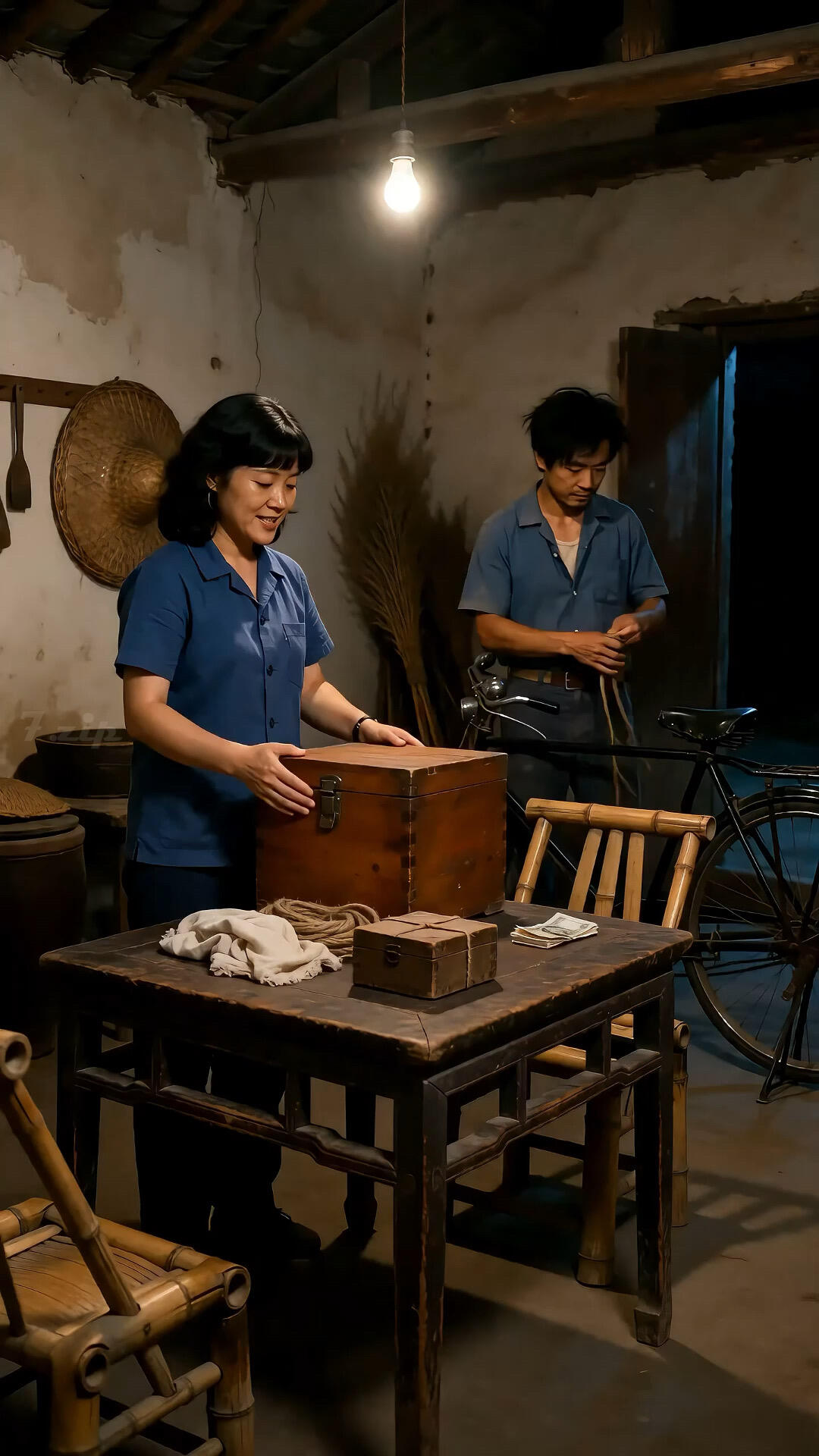
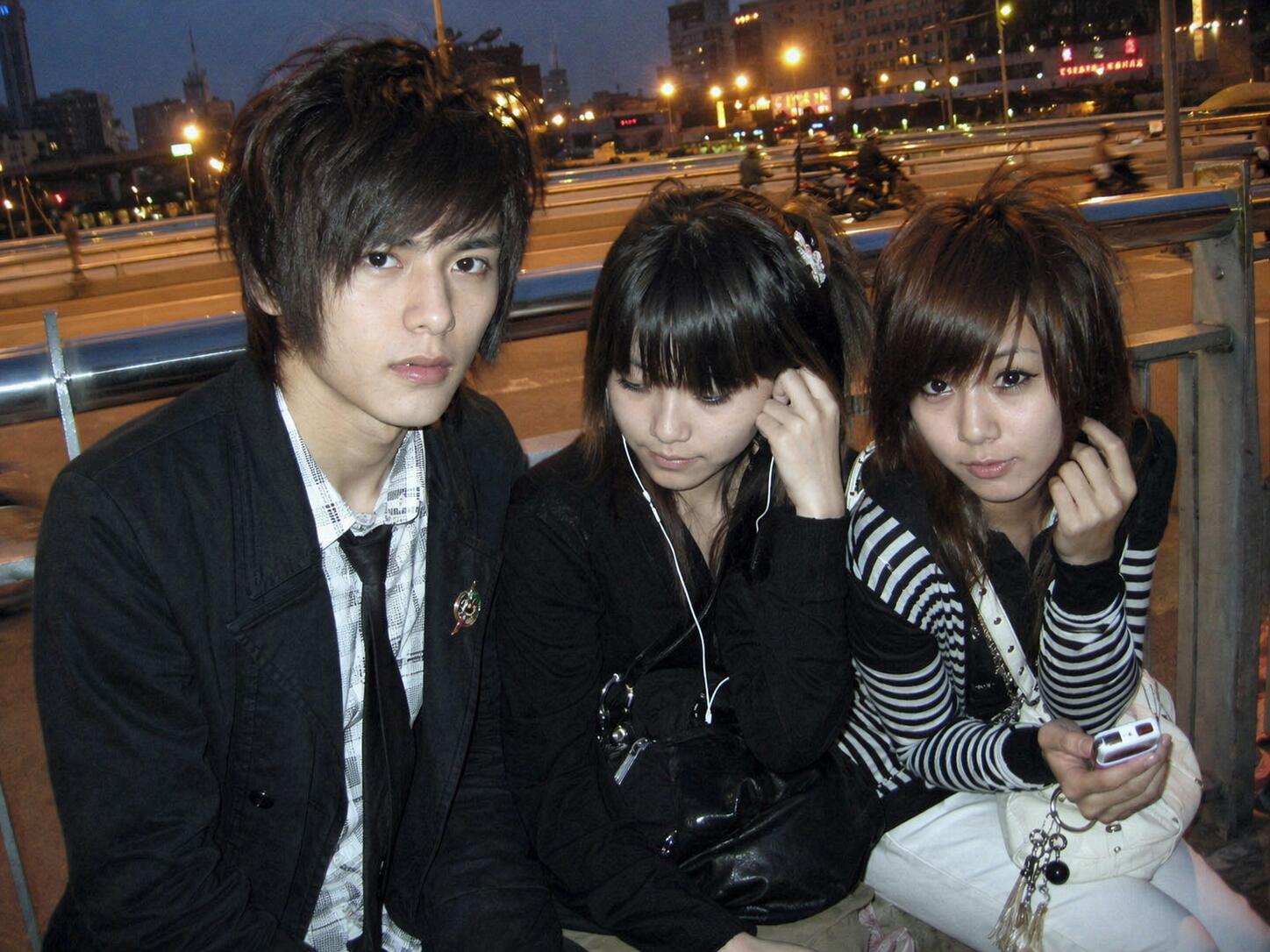
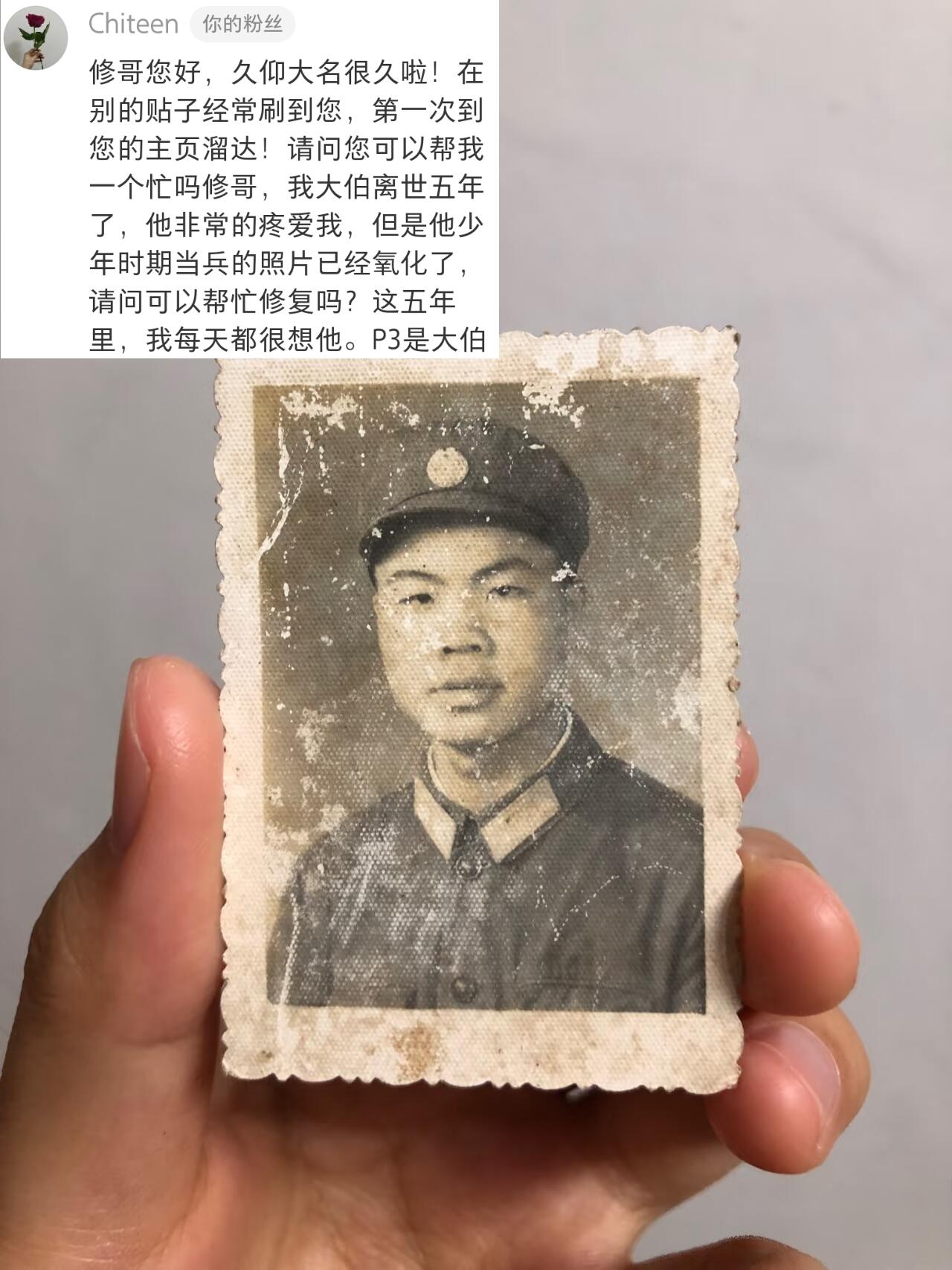
Put the cover under the lamp. Each of the five things that made it work is a layer you can switch on: the words, the grid it sits on, the colours it uses, the subject, the light.
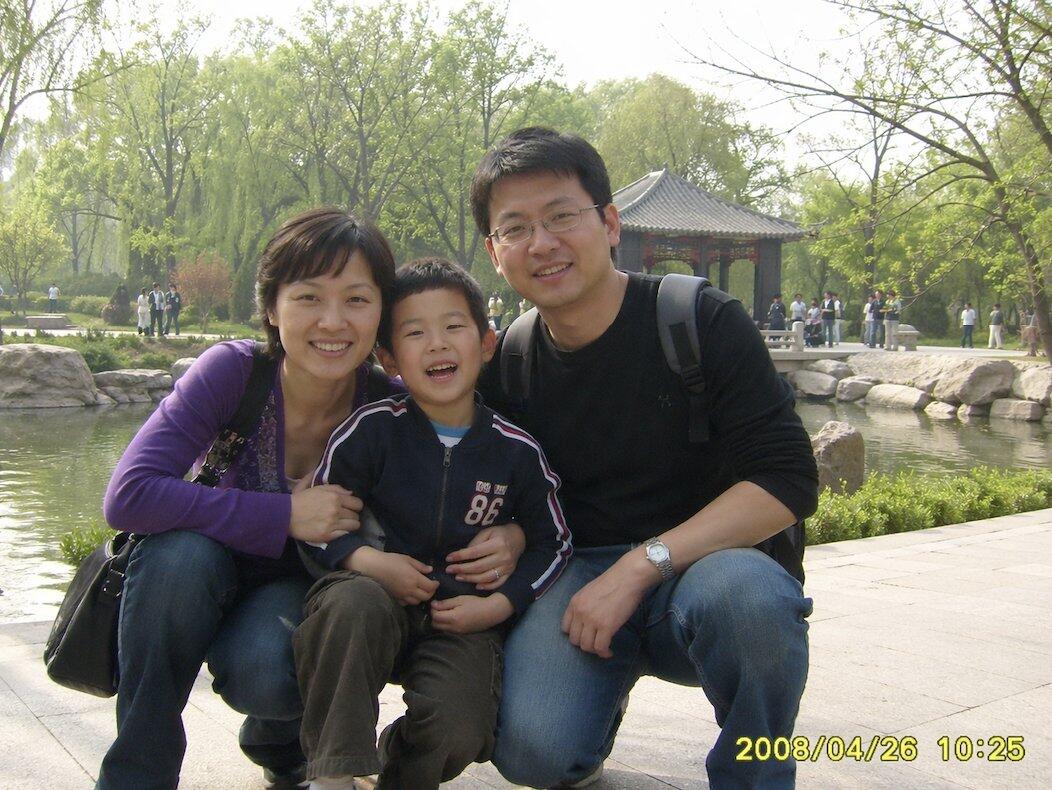
2008/04/26 10:25. The yellow date-time stamp in the bottom-right corner is like a watermark on an old photo — triggering nostalgia in a second and making people want to tap in and read the story.
Text
2008/04/26 10:25
Position
Bottom-right corner of the image
Size
Small numbers, spanning about one third of the image width
♥ 13 likes★ 6 saves↗ 4 shares
Posted by AI 探长(AIGC 短剧出海) on Xiaohongshu, 24 Apr 2026. Shown with credit and a link back.
Keep all five layers and swap what’s under them: your shop, your budget, your city. You get four covers and the post text.
Verbatim. Copy it, or let Queenie swap in your own details.
Referencing the case study "GPT Image2.0 is actually pretty strong." — its old photo restoration approach, period texture, visual storytelling and posting tone — generate a new set of vintage old-photo image-text posts. New topic: {fill in the photo topic you want to restore, rebuild or recreate} Reference platform: Xiaohongshu Content direction: vintage old-photo image-text Creation method: keep the original case's nostalgic emotion, film/photo-paper texture, relationships between people, period feel of the scene and restoration constraints; if it is photo restoration, it must stay faithful to the original identity, facial features, composition and historical context, avoiding over-beautification, redrawing, false historical information and a modern digital plastic feel. Please output: 1. Cover title and subtitle; 2. A 6-9 page image-text script, each page including a visual description, main copy, era/texture keywords and a save prompt; 3. Visual prompts that can be used directly for image generation or photo restoration, explaining requirements for people, scene, lighting, film grain, damage repair and colour restoration; 4. Posting suggestions: title length, tags, image ratio and platform tone. Constraints: do not recreate the original author, original people or brand marks; do not fabricate historical facts; when real people's photos are involved, prioritise identity consistency, with no youthening, beautification, face slimming or facial feature rewriting.