AI tools · WeChat cover · potential 83 · Machine-translated
Harness Engineering: What Every AI Engineer Needs to Know in 2026
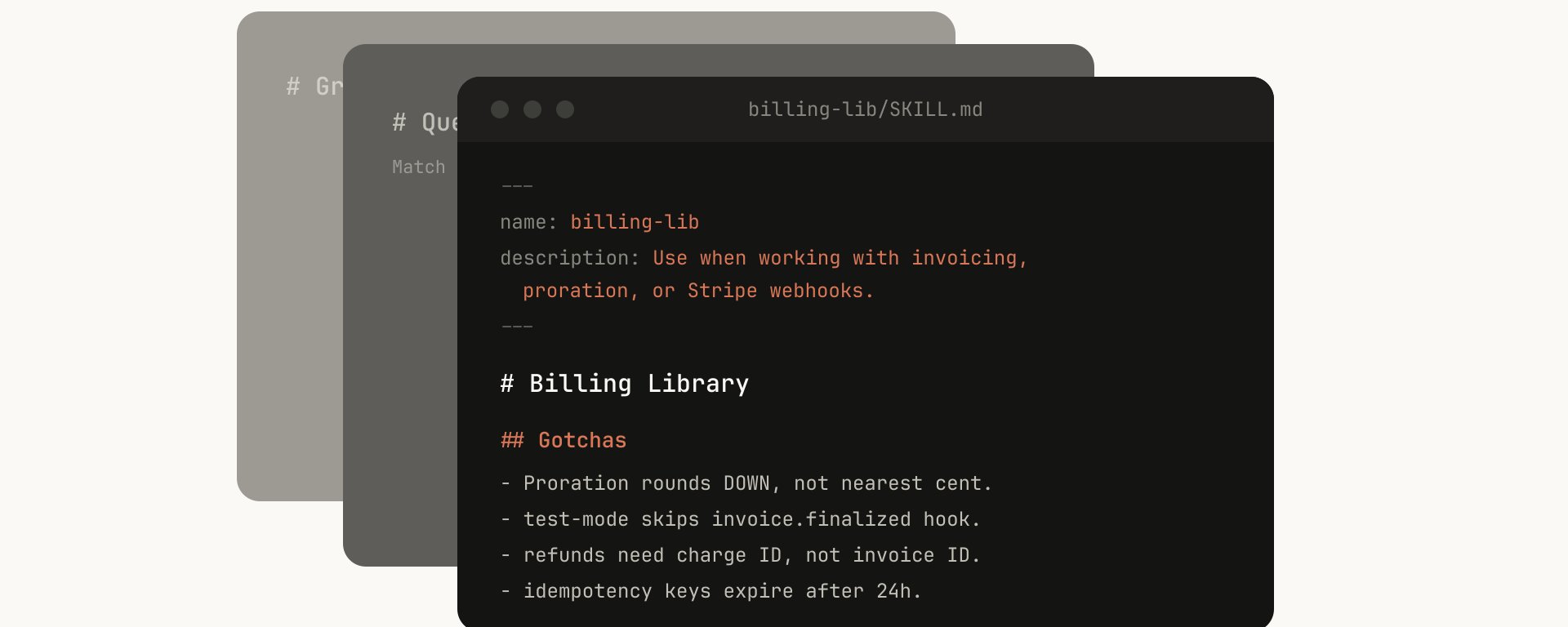
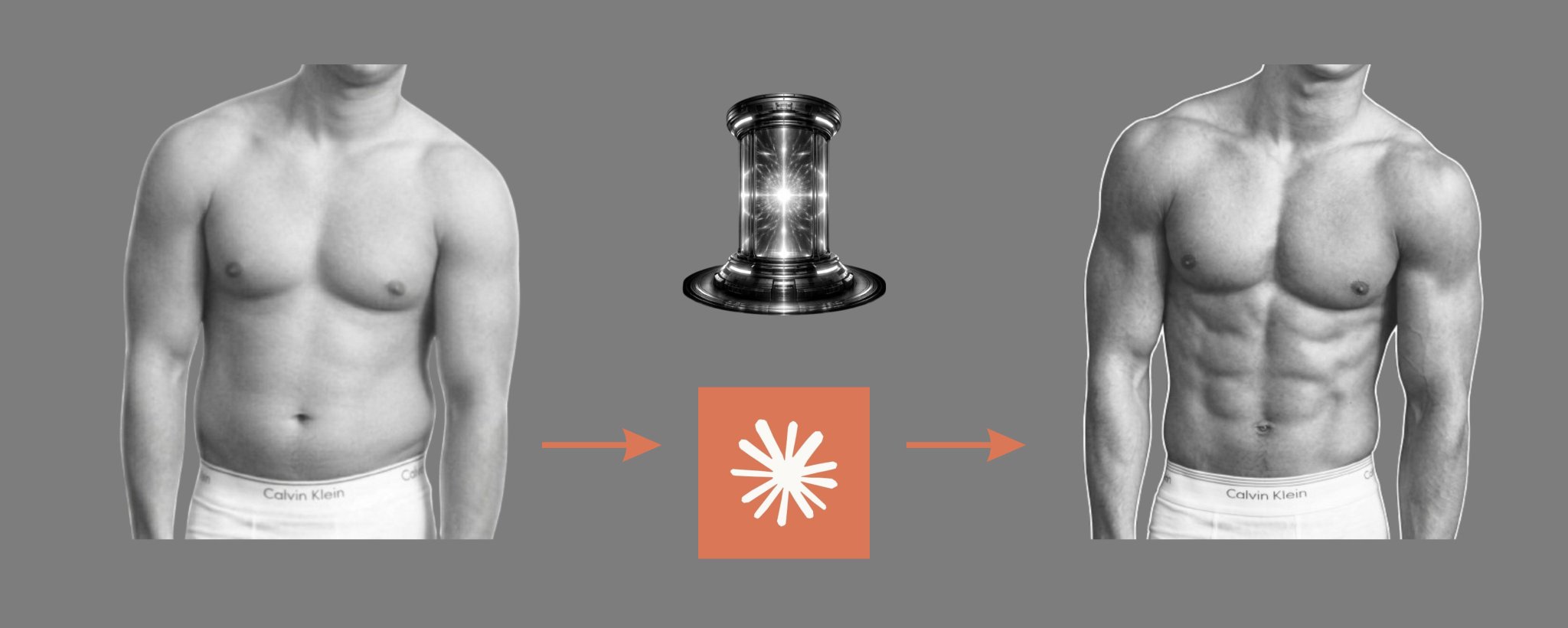
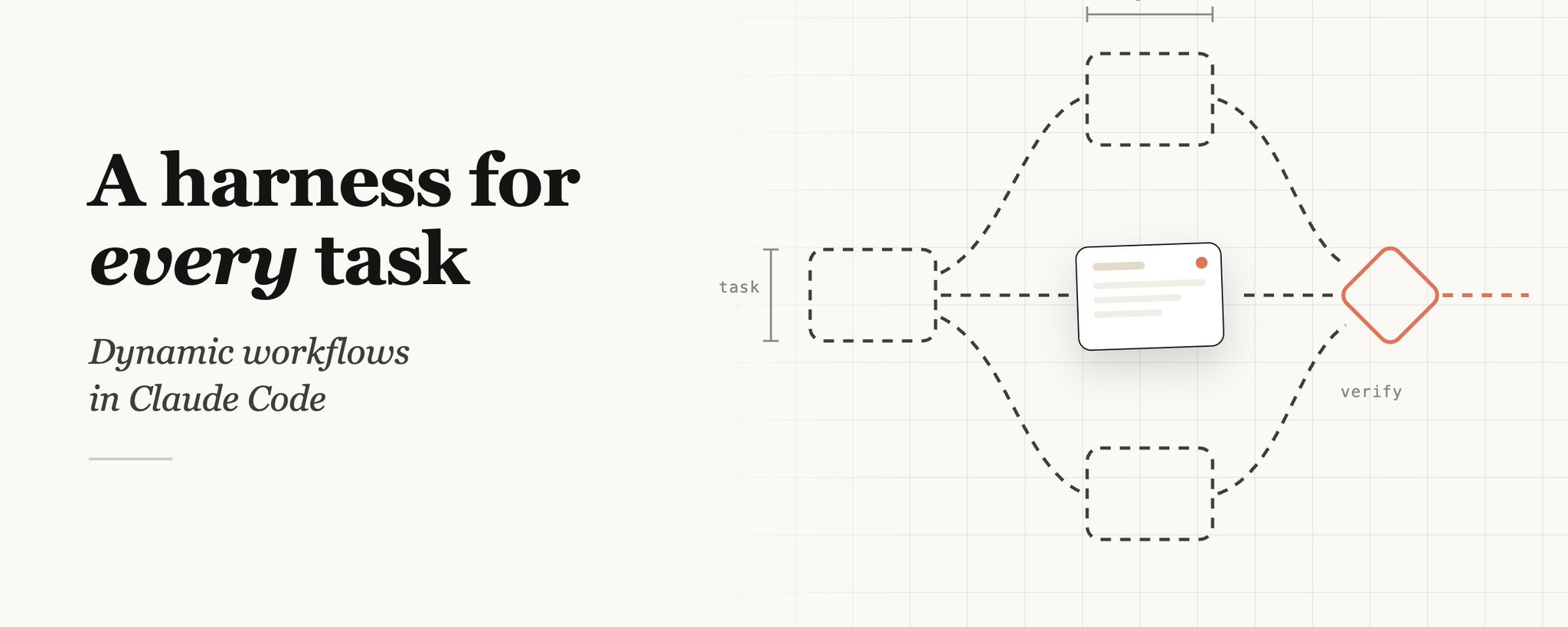
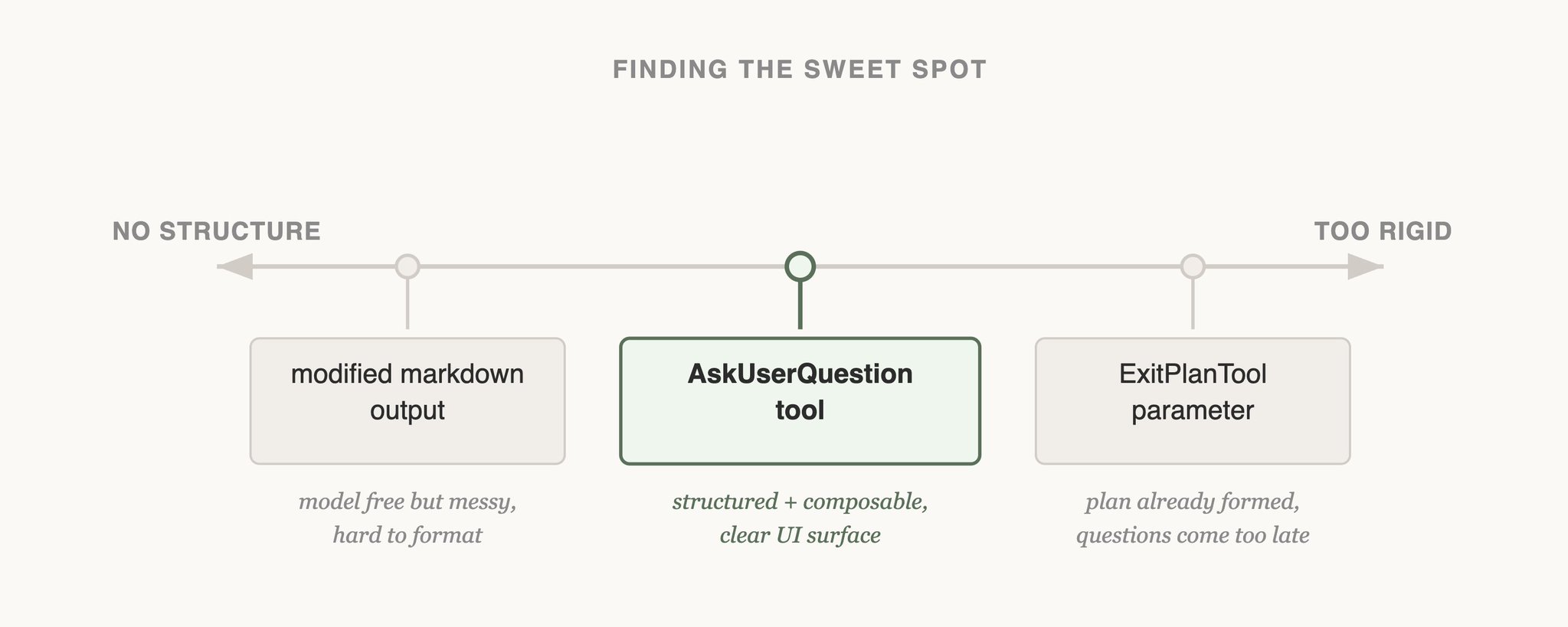
Put the cover under the lamp. Each of the five things that made it work is a layer you can switch on: the words, the grid it sits on, the colours it uses, the subject, the light.
Verbatim. Copy it, or let Queenie swap in your own details.
Based on the reference cover's composition, visual metaphor, and readability as a WeChat public-account thumbnail, generate a new horizontal WeChat public-account cover. Output size: 1456x582, ratio about 2.5:1; the core subject and essential title information must also work within WeChat's safe square crop. WeChat article title: {填写公众号文章标题} Summary: {填写简介} Original cover method: HarnessEngineering: What Every AI Engineer Needs to Know in 2026 style dual-skill Create a horizontal WeChat public-account article cover, 2.35:1 aspect ratio, for an article titled "Harness Engineering: What Every AI Engineer Needs to Know in 2026". Central concept: visualize abstract tool capabilities as interface windows, code snippets, node networks, control consoles, AI workflows, or a glowing system core. Style: preserve the reference cover's visual direction: black-and-white or low-saturation editorial illustration/photography. Use a palette inspired by #fcf5eb (white), #fdf5eb (white), #908984 (gray), #f1ece1 (white). Keep the image editorial, conceptual, and readable as a small WeChat thumbnail. Composition: the image is information-rich, suitable for a central subject with supporting information on the left and right, keeping the thumbnail readable. Keep the main subject and any essential title text inside the safe square crop, while using the full wide frame for atmosphere, secondary symbols, or directional motion. Text strategy: use either no text or a very short headline fragment from the title. If text is used, make it large, clean, and integrated into the layout rather than pasted on top. Mood: match the article skill "HarnessEngineering2026...style dual-skill" -- useful, sharp, high-signal, and slightly more memorable than a normal tutorial thumbnail. Avoid: photorealistic clutter unless the source cover is photo-led, fake logos, unreadable tiny text, generic gradient blobs, stock-office imagery, watermark-like marks, and literal screenshots unless the article is explicitly about software interfaces.